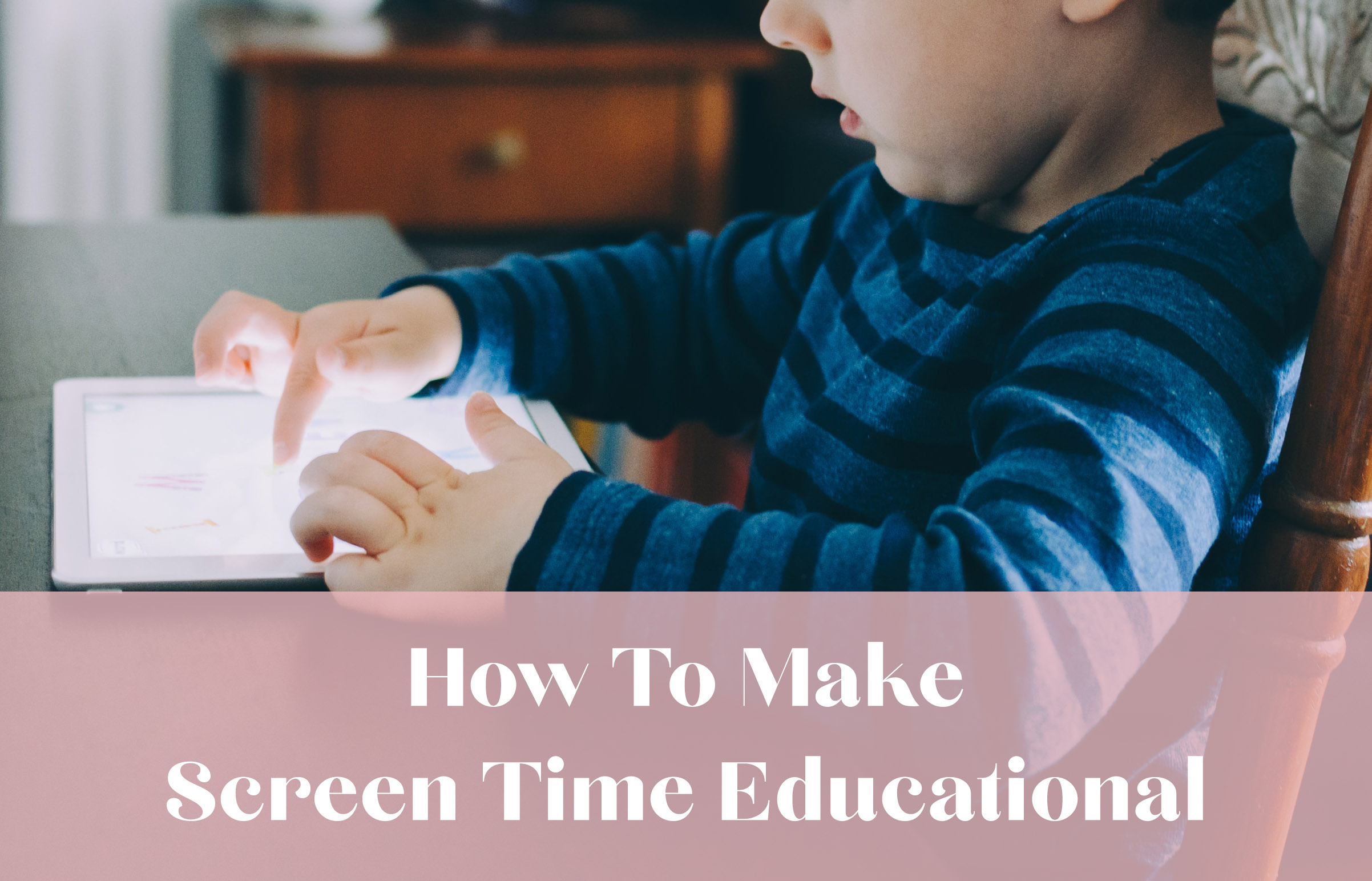
 Now that schools are closed in most parts of the world as a result of the coronavirus pandemic, parents are now worried that their kids are spending more time on the screens than they should. Keeping your child indoors means that there are a lot of outdoor activities that they will miss, and parents are turning to video games, televisions and tablets more than before.
While it should be limited, screen time can be a tool for learning and interaction for kids if you have the right content. There are a lot of iOS, interactive and educational resources that parents can use to keep their kids entertained while still learning.
Let’s see some of the ways you can make screen time educational.
Educational Apps
Some recent research suggests that the quality of the screen time matters more than the quantity. Parents should, therefore, focus on what their children are using technologies for instead of worrying about the amount of time they spend using them. There are so many educational apps for kids nowadays, children can learn basically anything! From a foreign language to playing an instrument, even how to code. Time spent doing any of these activities is to be considered productive and educational. For example, learning a new language with Babbel, that also has an app for iOS devices, is a well-spent screen time because not only are they learning something new but they are doing it in a fun and exciting way.
In addition to the educational apps, there are also other online resources, like YouTube videos for example, that provide lessons about a variety of activities like art, playing musical instruments and sewing. Ensure that the video you choose is geared towards children if you want your kid to find it interesting. The hosts who make such video make the demonstrations simple using easy to follow steps, plus there are also other children following the steps and showing their progress in the video.
Screen Time Should Be Interactive
According to experts, parents should look for educational apps that have some interactive element. An interactive app or game should make it easy for the child to understand the rules and directions depending on their developmental level, according to Susan Schwartz, a learning specialist at Friends Seminary and the Child Mind Institute. Low-paced programming is the best for toddlers as they need more time, more opportunities for learning and more practice. The apps should also have some multiple inputs of simulation like looking, listening, swiping and activities like taking pictures for multi-sensory experiences.
Make Use of Open-Ended Games
Children playing toys and apps should be more child-led than toy led if you want the child to be creative and interact with the toys or apps. The same applies to games, and the games that allow the kids to choose their adventure have more educational benefits than linear ones because the child is in control. Parents can check for a game’s reviews to identify if they are age-appropriate, their educational value and if they have any caveats when it comes to their content.
Unlike us, our children live in a world that is surrounded by technology and they have to interact with it. Screen time cannot prevent your child from thriving, but it is important to ensure that the time that kids spend with technology helps them develop both critical thinking and imagination and help them learn new skills.


Leave a Reply