It’s been a couple of weeks since I published a Weaning Wednesday post. To be honest, blogging is taking a back seat at the moment. I haven’t been feeling myself, and blogging has been consuming way too much of my head space. So it’s time to slow down and prioritise. I’m still here, just a little quieter.
Today’s guest post is from the lovely Kate over at Counting To Ten. Enjoy!
My thoughts on weaning and the foundations of healthy eating
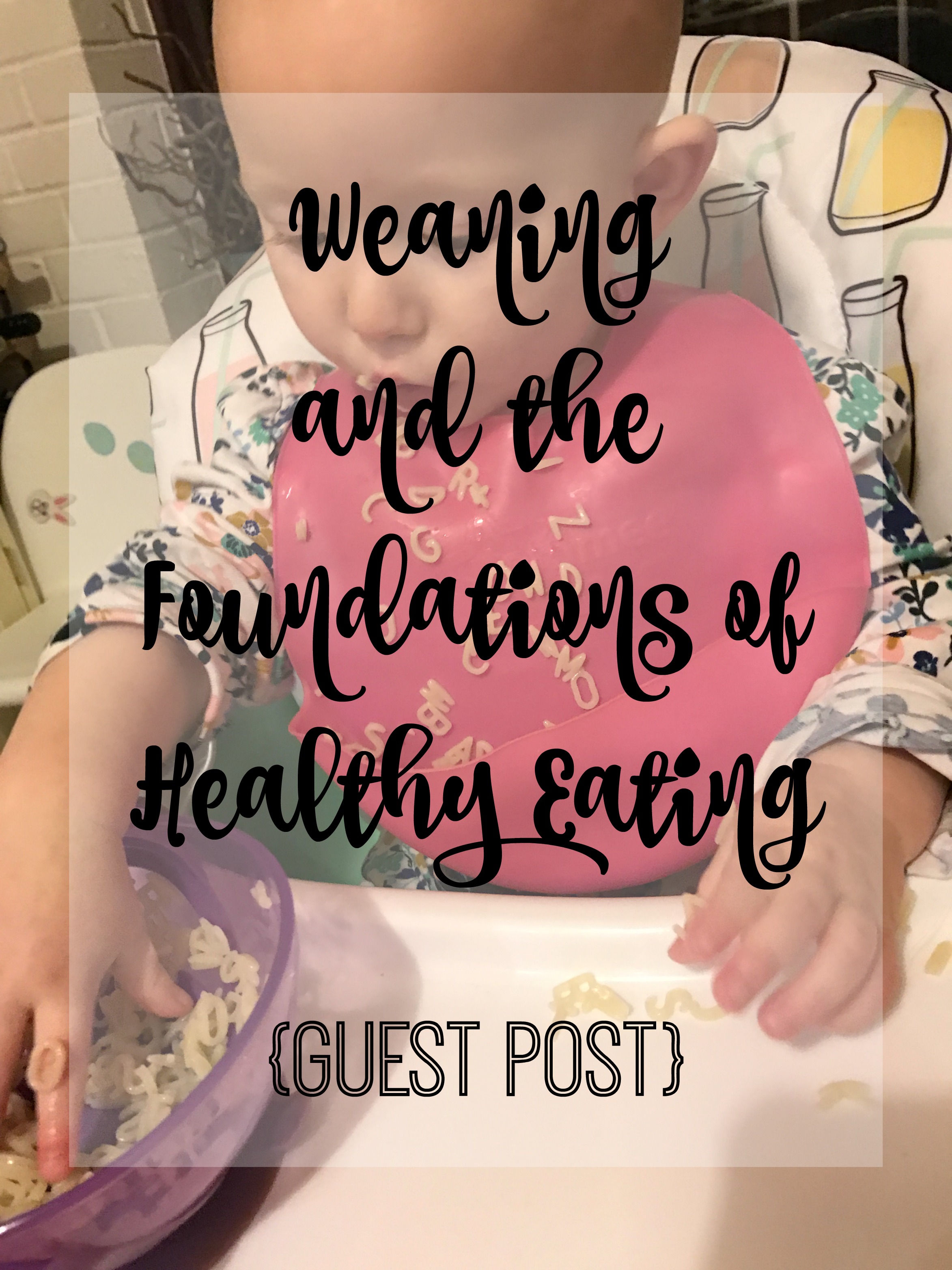
When I weaned my eldest daughter nearly 5 years ago hardly anyone had heard of baby led weaning. I read Gill Rapley’s book to understand the concept and just before 6 months we started an enjoyable journey. Second time round I found that baby led weaning was much more common. When I started weaning my youngest 6 months ago people would ask if we were doing purees or BLWing and I have rarely had to explain what it is (although many parents seem to use the term interchangeably with giving finger foods).
I chose baby led weaning because it seemed easier and more fun than spoon feeding. I wasn’t doing it to be healthier. I have been surprised though how well babies can regulate their intake when given the opportunity. Both through the amount and what they eat. Some meals my baby will choose to eat mostly protein, the next she might focus on carbs, but over the day she will eat a balanced diet when given the chance.
If you put a spoon in a baby’s mouth they have less control over how much they eat and whatever your approach to weaning I believe giving the child control is key. As a mother who breastfed on demand I have tried to give my children choices over what they eat, when and how much. My partner and I eat far too much. We ignore our bodies when they say “I’m full” or “I’m not hungry” and we keep stuffing the food in our mouths. Unsurprisingly we are both overweight. I’m hoping that my daughters will have a much healthier approach to food and so far it seems to be working.
My eldest is a good eater and she eats a wide range of food, although the peer pressure of school appears to be damaging that, for instance she recently claimed she no longer likes broccoli. Most importantly for me she stops eating when she has had enough. At times this can be annoying as she might be hungry again a few hours later, but smaller meals with snacks is a healthy way to eat. As long as she is stopping because she has really had enough, as opposed to because she wants to go watch TV, I’m ok with it.
My 5 year old loves sweets and crisps but she has this strange ability her parents don’t have: she doesn’t eat a whole packet in one go. Whether it’s leaving 4 crisps or giving me a half eaten lollipop this is an incredible skill. Yes there is more food waste, but not finishing food just because it’s there is a good approach to food. My mother is part of the post war generation and she grew up being told you must finish all the food on your plate. She still feels guilty now if she doesn’t clear her plate even though she rationally knows eating food you don’t need or want is as much of a waste as throwing it away.
I think it’s great my daughter will stop eating when full and I believe it is due to feeding on demand and baby led weaning. It doesn’t matter how much they eat, what does matter is they are given (mostly) healthy options and that they choose how much they want. It’s ok to encourage children to eat a bit more, but let them leave food if they don’t want it. Whether spoon fed or self feeding allowing babies to stop eating when they have had enough from an early age creates the foundations of healthy eating. With growing numbers of obese children letting them say when they have had enough will help them be a healthier adult.
Thank you so much to Kate for this great post on her approach to weaning. I personally have found it a really interesting read. I do use spoons with Bear but I much prefer baby led weaning. However over the last 4 months I’ve found a comfortable balance between spoon feeding and baby led that works for us both.


Leave a Reply